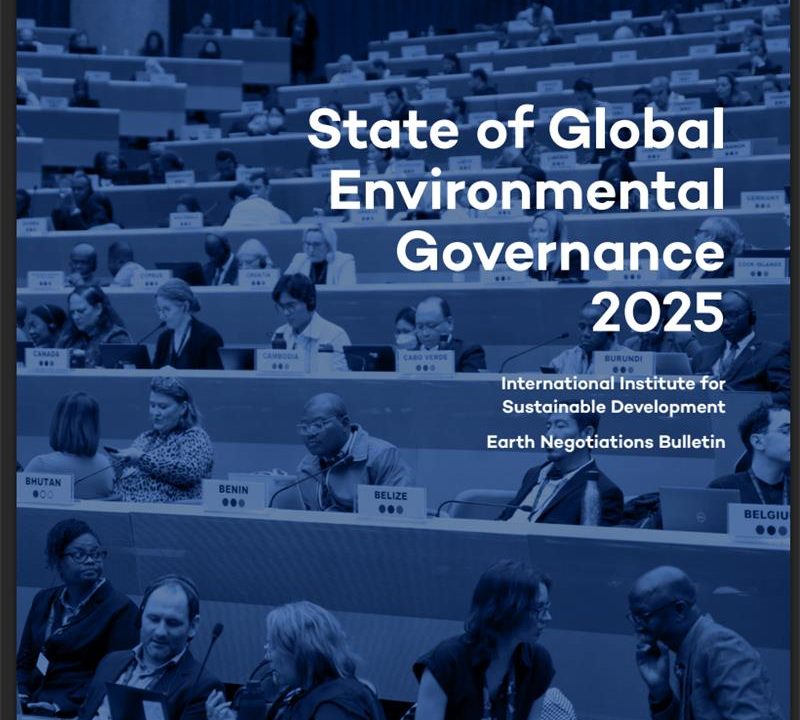
State of Global Environmental Governance 2025
February 20, 2026
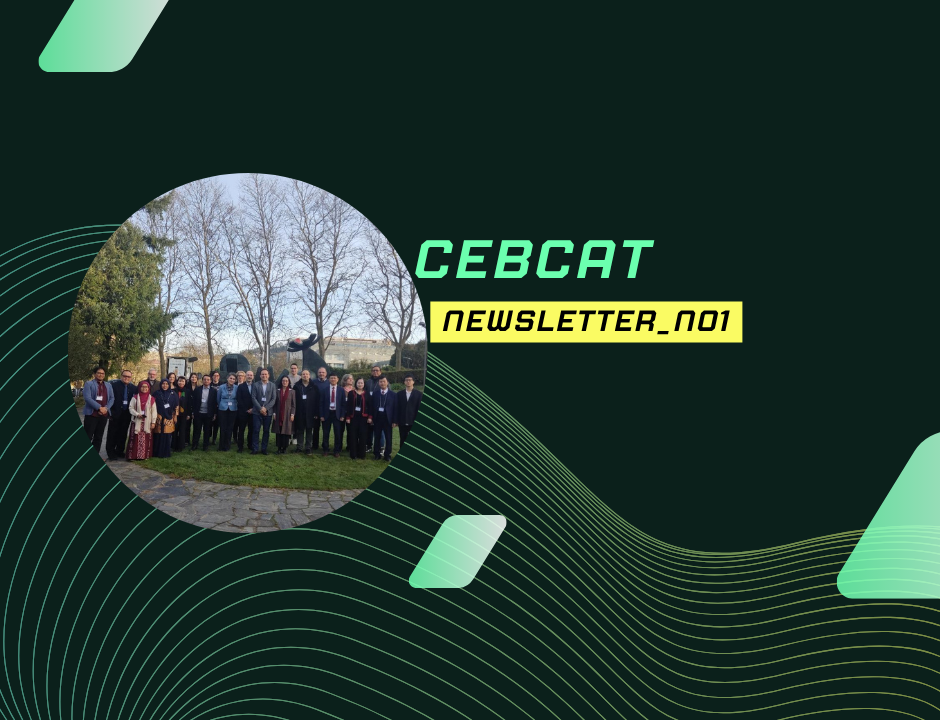
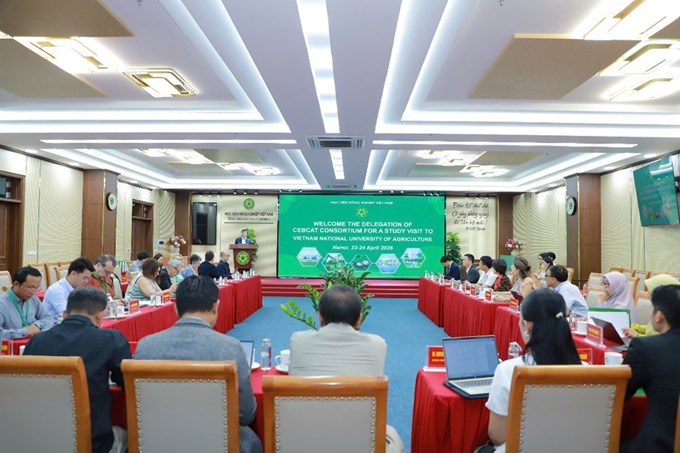
Study Visit of the Erasmus+ CEBCAT Project at VNUA: Strengthening Cooperation for a Sustainable Circular Economy
May 4, 2026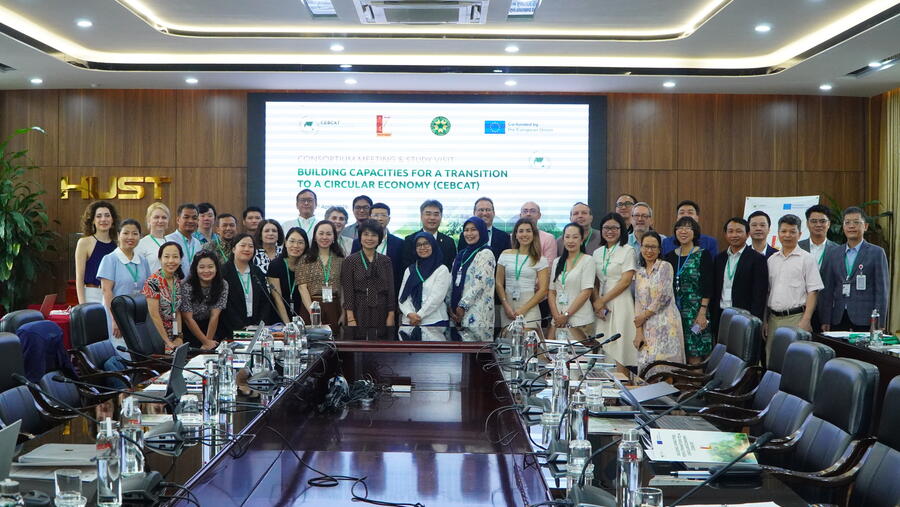
The participation of the Santiago institution in this meeting reinforces its commitment to internationalization, academic cooperation and the promotion of sustainable economic models.
Santiago de Compostela| Wednesday, April 22, 2026
Research staff from the University of Santiago de Compostela are participating this week in Hanoi (Vietnam) in an international study visit within the framework of the European project Capacity Building for the Transition to a Circular Economy (CEBCAT), an initiative aimed at strengthening training and research in the circular economy in universities in Asia and Europe. The USC delegation is led by Óscar Rodil Marzábal, from the ICEDE group and CRETUS, coordinator of the CEBCAT project, who actively participates in the coordination of the working sessions and in the monitoring of the progress achieved by the different partners of the consortium.
The program, which takes place from 20 to 24 April at different academic venues in the Vietnamese capital, includes coordination meetings, training sessions and technical visits to circular economy research units. During these days, project partners analyze the progress of work packages, exchange good practices and advance the development of specialized training programs.
Highlights of the visit include sessions focused on the creation and consolidation of circular economy research units in Asian universities, as well as progress in the design and implementation of an international master's program in this area. Key issues such as academic accreditation, the development of teaching materials, and sustainability and dissemination strategies for the project are also addressed.
USC's participation in this meeting reinforces its commitment to internationalization, academic cooperation and the promotion of sustainable economic models, contributing to the training of professionals and researchers prepared to face the challenges of the ecological transition.
The visit will conclude with a closing session and a collaborative workspace aimed at identifying new opportunities for international cooperation and designing future projects